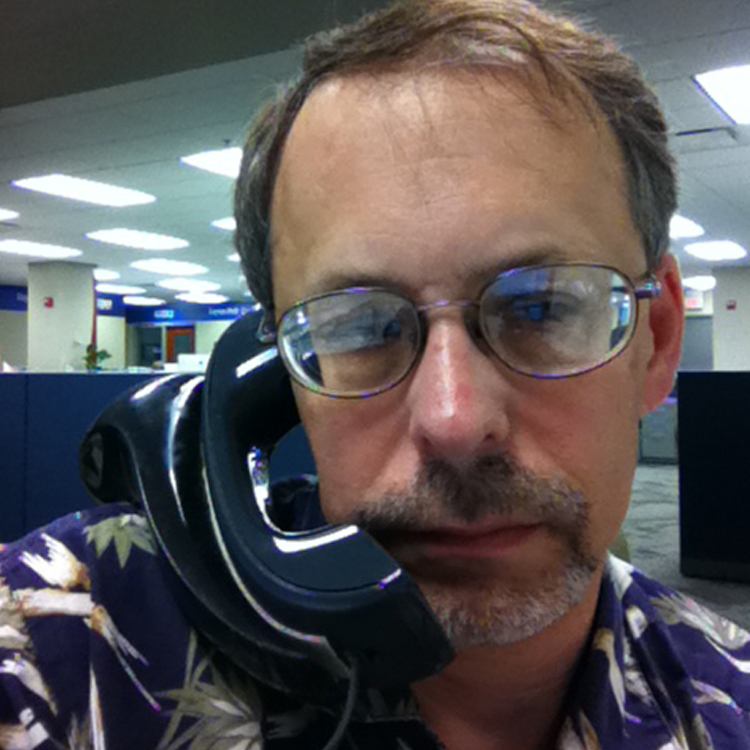
Steve Bennish
Co-founder
A 30-year veteran of daily newspapers, now a freelance reporter, photographer and editor based in Dayton. His books of photography are "Scrappers," "A City of Neighbors," and "Parallel Universe."
steve@thejournalismlab.org
About the Lab
Every aspect of The Journalism Lab is animated by one belief: that regular people not only can do this work, but that they should do it.
We want to get people interested in and passionate about the things happening in their locality to a degree that moves them — journalism tools in hand — to report.
Since 2020, we've graduated a dozen classes — more than 100 participants — who have published dozens of stories in leading regional media such as Teen Vogue, the Cincinnati Enquirer and the Dayton Daily News. One piece has helped shape the course of a local public project.
More than perhaps any other US city, Dayton epitomizes the rise and precipitous fall of post-industrial America over the past 50 years. It is one of the most segregated cities in the country, and Dayton's poverty levels rank among the highest nationally for metropolitan areas of an equivalent size.
While many organizations that support journalism focus their efforts on the east and west coasts, middle America struggles to attract that same vital attention. Meanwhile, political operatives and their agendas threaten to reshape — even manipulate — local news outlets here in the Midwest in covert ways.
Dayton and its satellite communities throughout Greene, Miami, Montgomery and Preble counties perfectly represent a cross section of wider American life. Our city, itself experiencing a revitalization, is the ideal place for bold experimentation and a fresh reevaluation of how a community can participate in its own storytelling.
How we think about journalism
Journalism isn't only what professional reporters do — it's a set of acts that anyone in a community can perform. We've adopted the framework developed by the Journalism + Design Lab at The New School, which names eight such acts. Work here in Dayton, through the Dayton.FYI initiative, adds a ninth: preserving. The Lab's own role is enabling — building the capacity for everyone else to take part.
Creating the conditions for community conversation — convening forums, hosting public meetings, and building spaces where residents engage with each other and with information.
Recording what happens — attending public meetings, taking notes, and capturing testimony to create the raw record of civic life that everything else builds on.
Interpreting what the facts mean — offering analysis, opinion, and perspective that helps a community make sense of what it knows.
Asking questions — filing records requests, investigating leads, and demanding answers. Accountability journalism at its core.
Connecting the dots — placing events in context, identifying patterns, and explaining how things relate to one another.
Extending the reach of important information — sharing and redistributing so that what matters reaches the people who need it.
Helping people find what they need — curating resources and building directories and wayfinding tools that connect residents to information and each other.
Building the capacity of others to perform these acts themselves — training, mentoring, and providing tools and platforms. This is the Journalism Lab's core work.
Ensuring that what a community knows about itself is durable, searchable, and publicly owned — and capturing lived experience, especially from elders whose testimony might otherwise go unrecorded.
Who we are
Co-founder
A 30-year veteran of daily newspapers, now a freelance reporter, photographer and editor based in Dayton. His books of photography are "Scrappers," "A City of Neighbors," and "Parallel Universe."
steve@thejournalismlab.org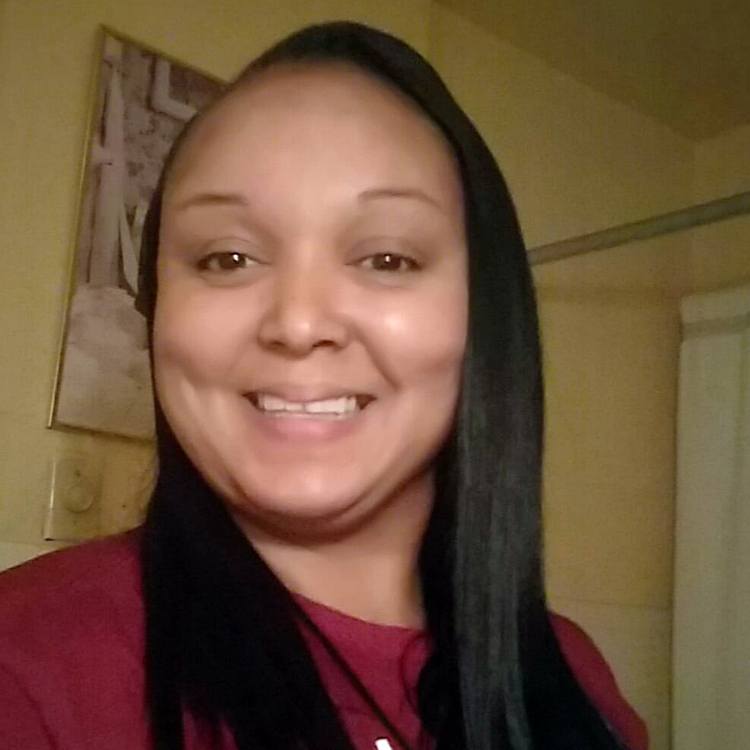
Co-founder
An audio reporter who produced the Re Entry Stories radio series for WYSO and worked as a site coordinator for Wilmington College’s prison education program. Mary passed away in 2025.
In memory of Mary →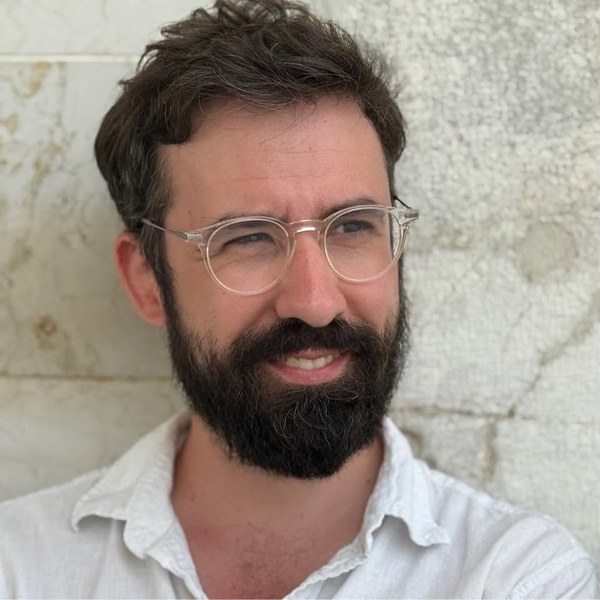
Co-founder
Freelance reporter for WYSO and former Community Impact Editor for the Dayton Daily News. A Dayton Public Schools graduate and recipient of the Si Burick Scholarship, he holds a degree from the Scripps College of Communication at Ohio University and has worked in media and communications for over a decade.
nick@thejournalismlab.org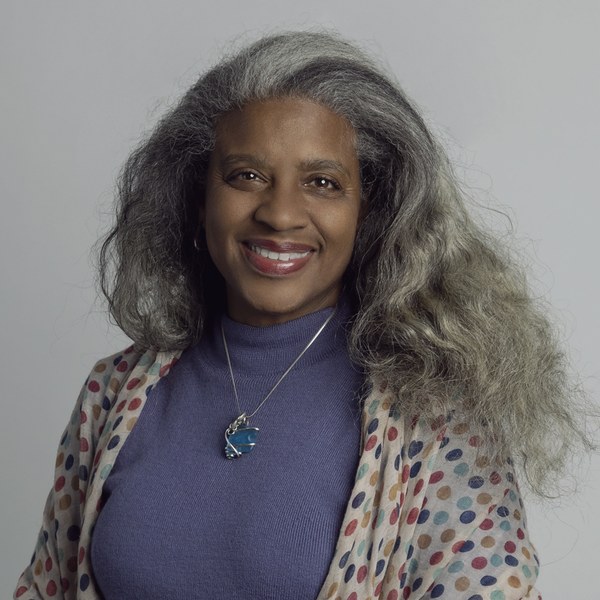
An award-winning broadcast journalist, crafting stories for more than 30 years. She currently covers local government, education and more for WYSO.
kathryn@thejournalismlab.org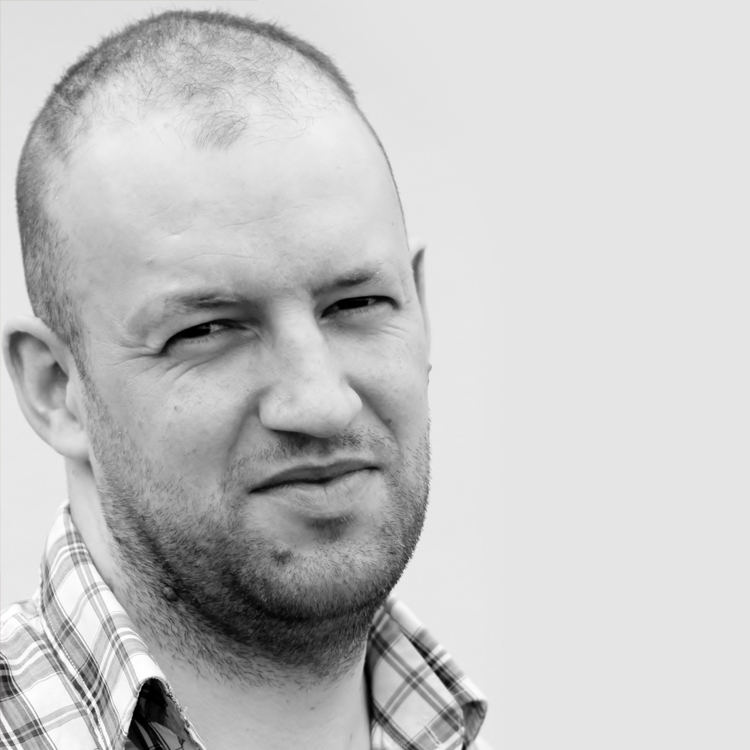
Co-founder
An Irish journalist and author who moved to Dayton in 2018. He has reported from 22 countries for outlets such as National Geographic, BBC News, the Guardian and others, and is the author of Revolt in Syria: Eye-Witness to the Uprising.
stephen@thejournalismlab.orgThe bigger picture
The Lab's training and youth programs are the capacity layer of a larger vision: a civic information platform that helps Dayton tell — and govern — its own story.
Explore the vision